Complete Insulation Solutions for Every Building Type
9 integrated insulation systems we select the right one after a free site inspection with full material and step-by-step explanation.
01 Polyurethane Foam (SPF)
The complete integrated system from surface preparation to final protection layer
When is PU Foam the Right Choice?
- Large metal roofs (corrugated or flat)
- Warehouses, hangars and industrial roofs
- Needing both thermal and waterproof insulation in one layer
- Irregularly shaped surfaces with complex angles
- Saving 3040% on AC electricity bills
Key Materials
Two-Component PU Foam
Components A+B mixed precisely and sprayed under high pressure
PrimaryAcrylic Paint
UV protection layer preventing foam degradation from sunlight
MandatoryGeotextile Fabric
Non-woven fibres to strengthen the protective layer
RecommendedFoam Base Coat
Levelling layer preparing the surface before main spray
PreparationComplete System Execution Steps
Surface Preparation & Deep Cleaning
Remove dust, grease, rust and any loose old layers. Use compressed air or wire brush depending on surface type. A clean surface ensures proper adhesion of subsequent materials.
- Remove rust from sheet metal with wire brushing or chemicals
- Eliminate any weakly adhered old coatings
- Inspect joint and fixing points
Treat Sensitive Points & Joints
Apply specialised sealant to fixing points, joints and corners before general application. These spots are most prone to leaking.
- Fill sheet metal joints with specialised sealer
- Treat screw heads and fixing points
- Reinforce corners with appropriate filler
Foam Base Coat (Levelling Layer)
Apply a thin initial layer of low-density foam to level the surface, fill minor details and create a uniform base for the main layer.
- Base coat thickness: 12 cm
- Low density 1520 kg/m
- Fills gaps and small joints
Main Foam Layer at Required Thickness
Spray foam with high-pressure equipment at the specified thickness based on project requirements and objectives. Thickness determines thermal insulation coefficient and compression resistance.
| Thickness | Use Case | Thermal Insulation | Compression Resistance | Best For |
|---|---|---|---|---|
| 23 cm | Light insulation | Good | Low | Moderate climates |
| 45 cm | Medium insulation | Excellent | Medium | Residential roofs ? |
| 68 cm | Heavy insulation | Superior | Good | Warehouses & Industrial ? |
| 10+ cm | Professional insulation | Superior+ | High | Extreme hot climates |
Acrylic Paint (UV Protection Layer)
Foam alone degrades under UV rays within 12 years acrylic coating is mandatory to protect the foam and multiply its lifespan.
- White or light grey acrylic to reflect sunlight
- Applied in two coats: first after 24h from spraying, second after first coat dries
- Total coat thickness: 0.30.5 mm
- Aluminised reflective additive for higher thermal performance
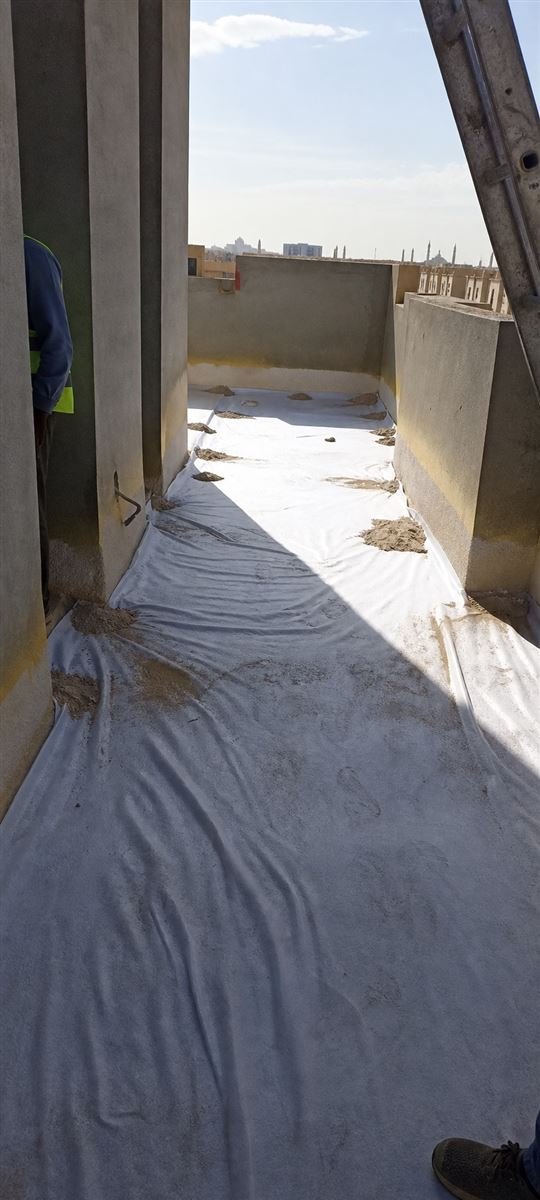
Geotextile Layer (Non-Woven Fibres)
Embedded in the acrylic layer to reinforce the foam surface and resist cracking from thermal expansion and mechanical abrasion.
- Fibres spread over first acrylic coat before it dries
- Covered by second acrylic coat to lock them in
- Increases surface durability 34 times
- Suitable for roofs where people or light equipment may walk
Final Inspection & Documented Handover
Full surface inspection after curing, adhesion testing, complete photo documentation, then handover with warranty certificate.
- Comprehensive visual inspection of all roof areas
- Before & after photo documentation
- Warranty certificate delivery
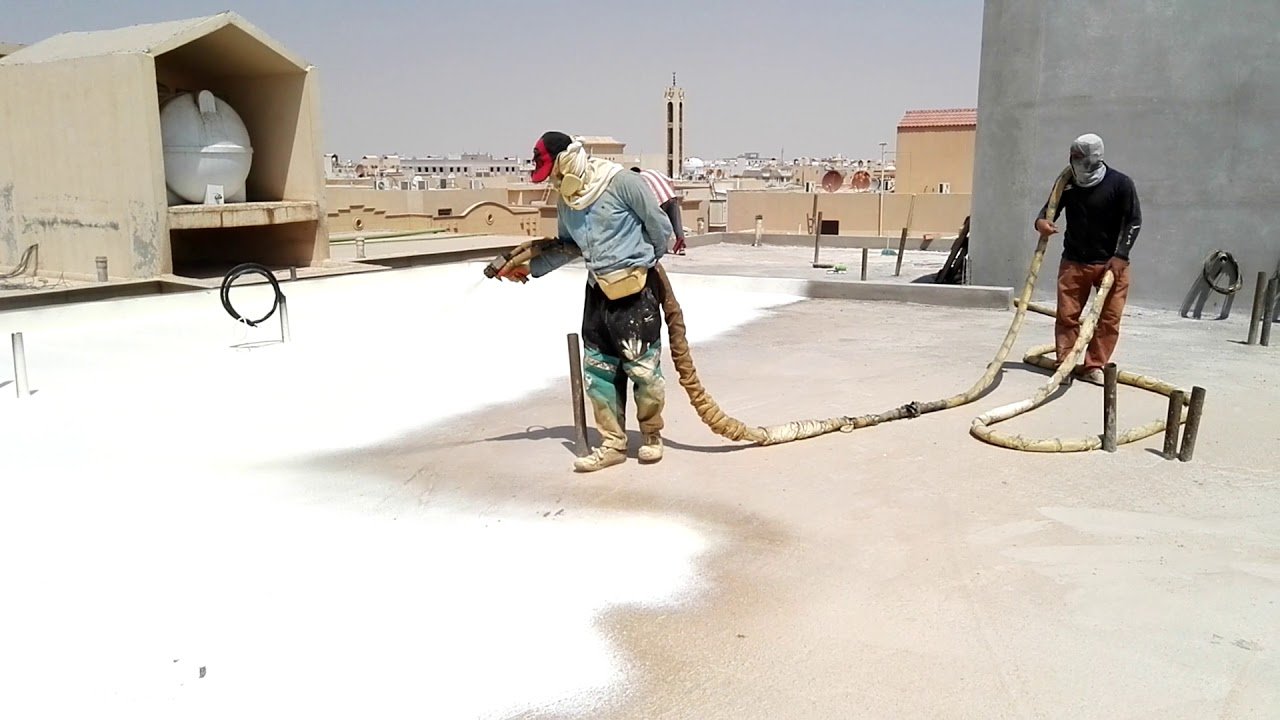
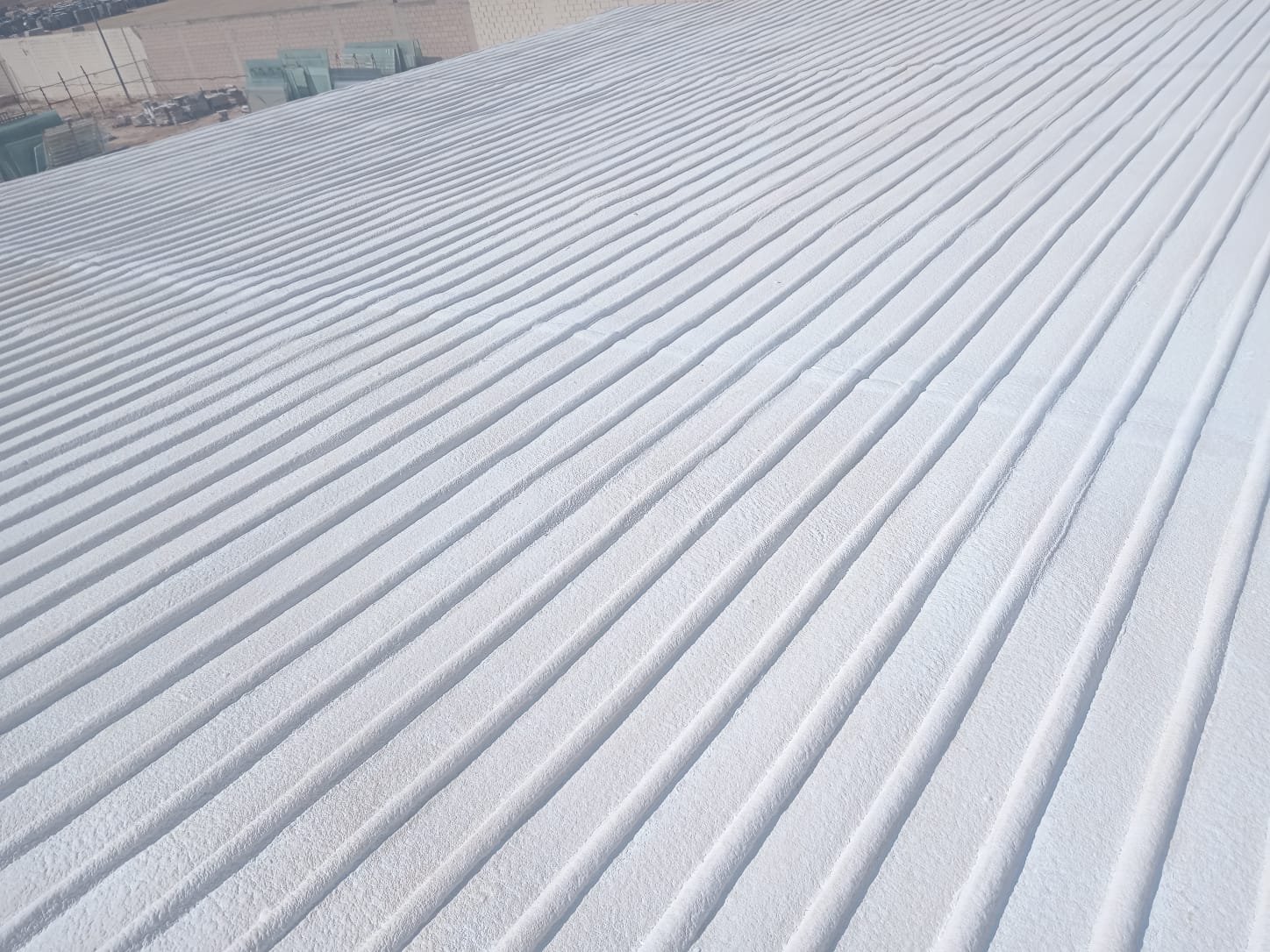
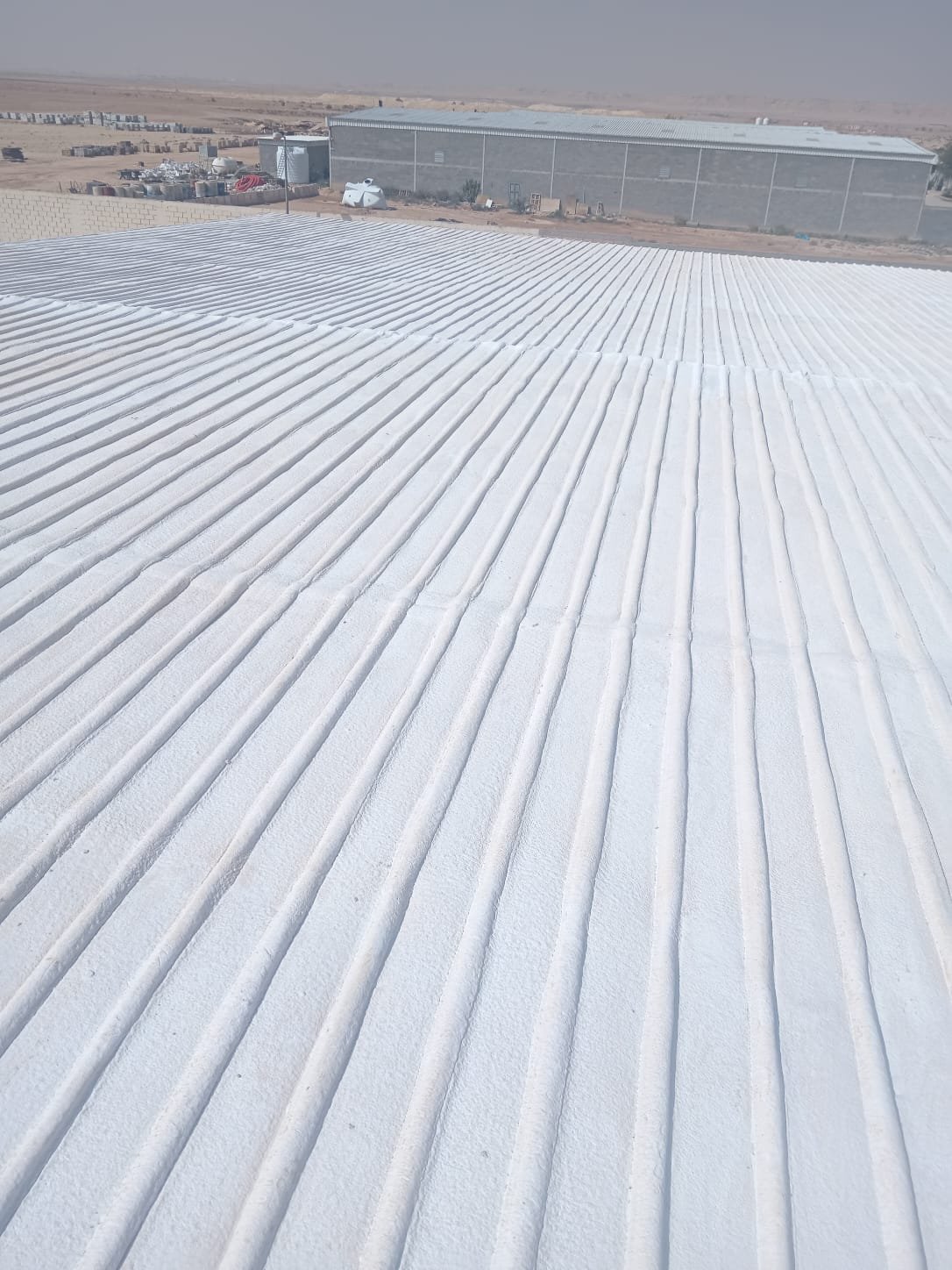
Field footage from live execution.
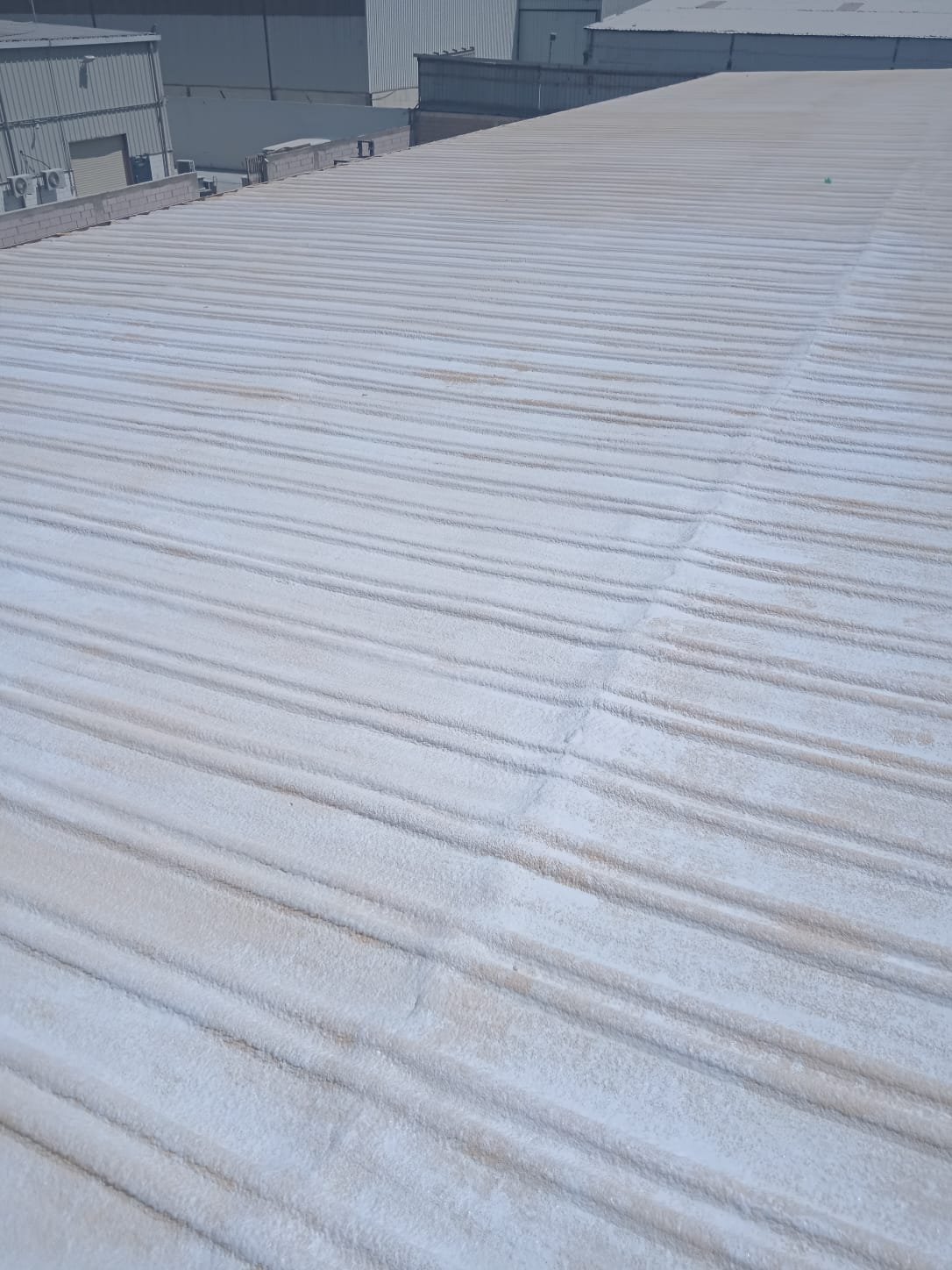
Uniform coverage across the surface.
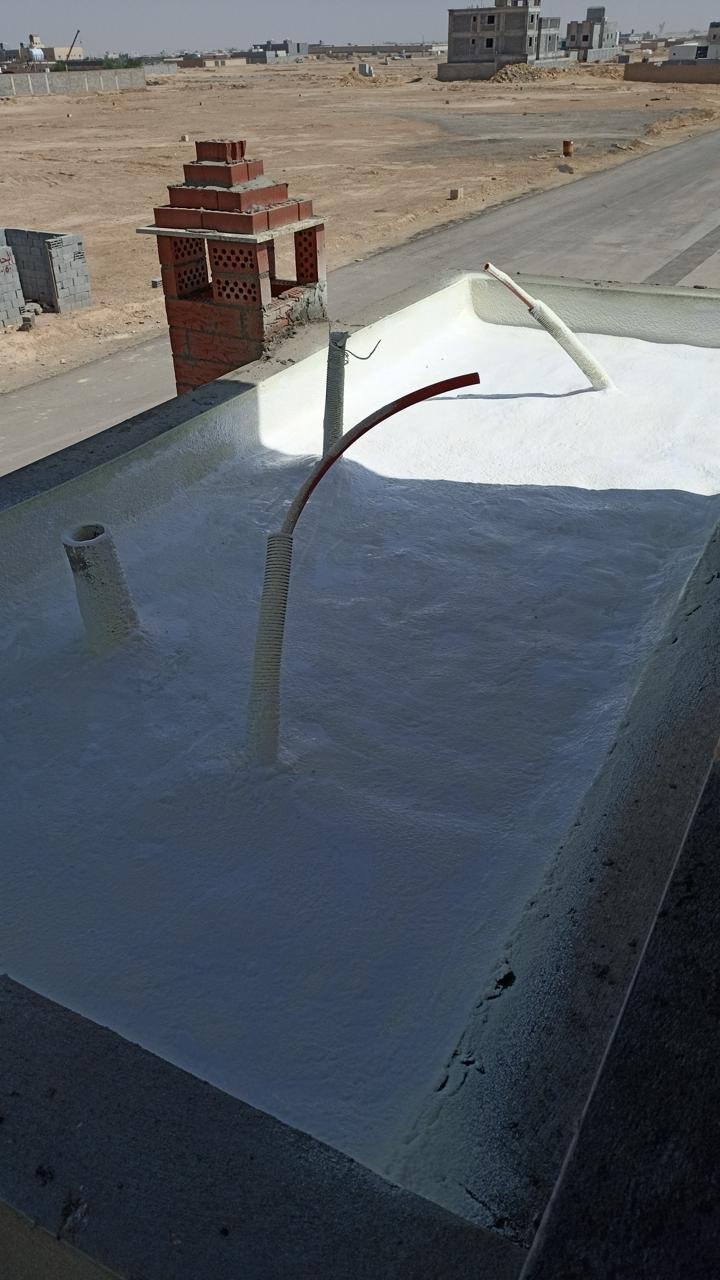
Completed roof after execution.
02 Polyurea Coating
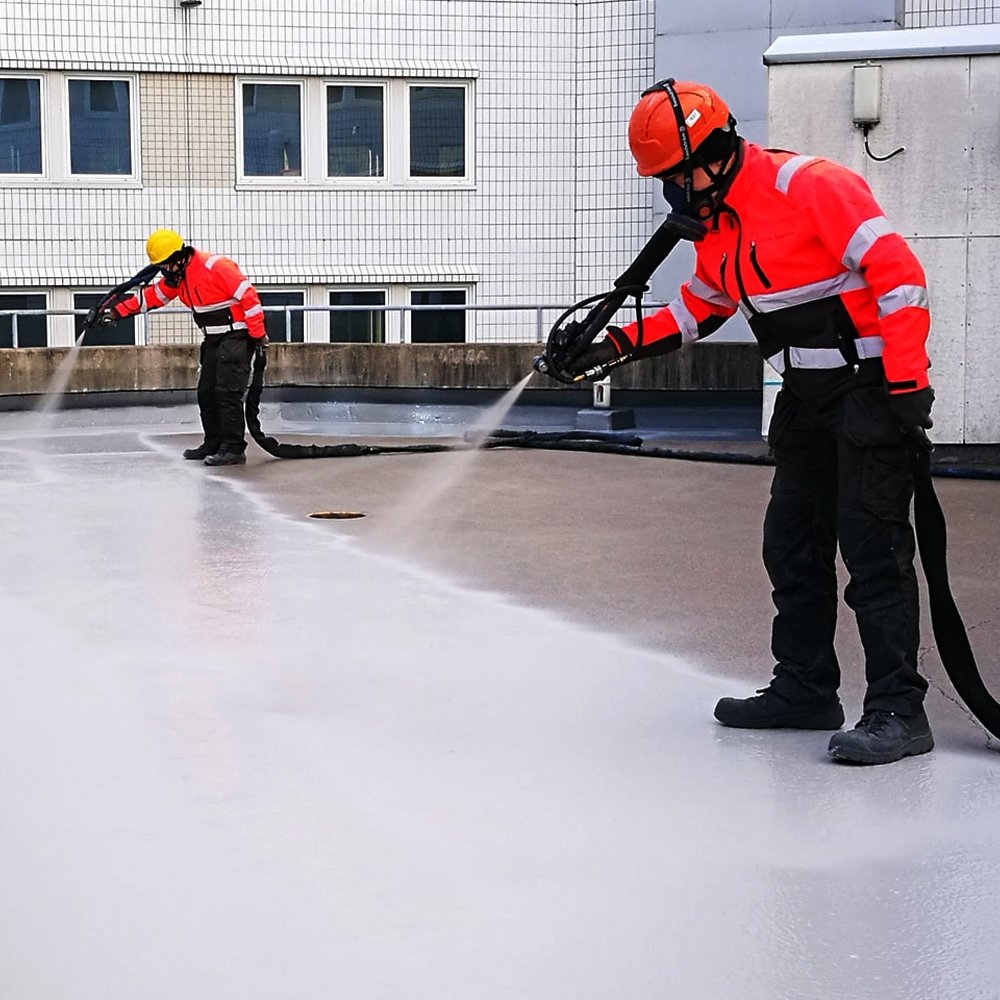
Advanced fast-curing insulation system for tanks, industrial floors and special applications
Technical Specifications
Primary Applications
- Drinking water tanks with NSF-approved grade
- Industrial roofs with heavy load and traffic
- Warehouse and factory floors
- Chemical, oil and acid environments
- Projects with minimal downtime allowed
- Surfaces requiring high impact resistance
03 Waterproofing
Protect roofs, walls and annexes from leaks and moisture with multiple proven systems
Liquid Applied Membranes
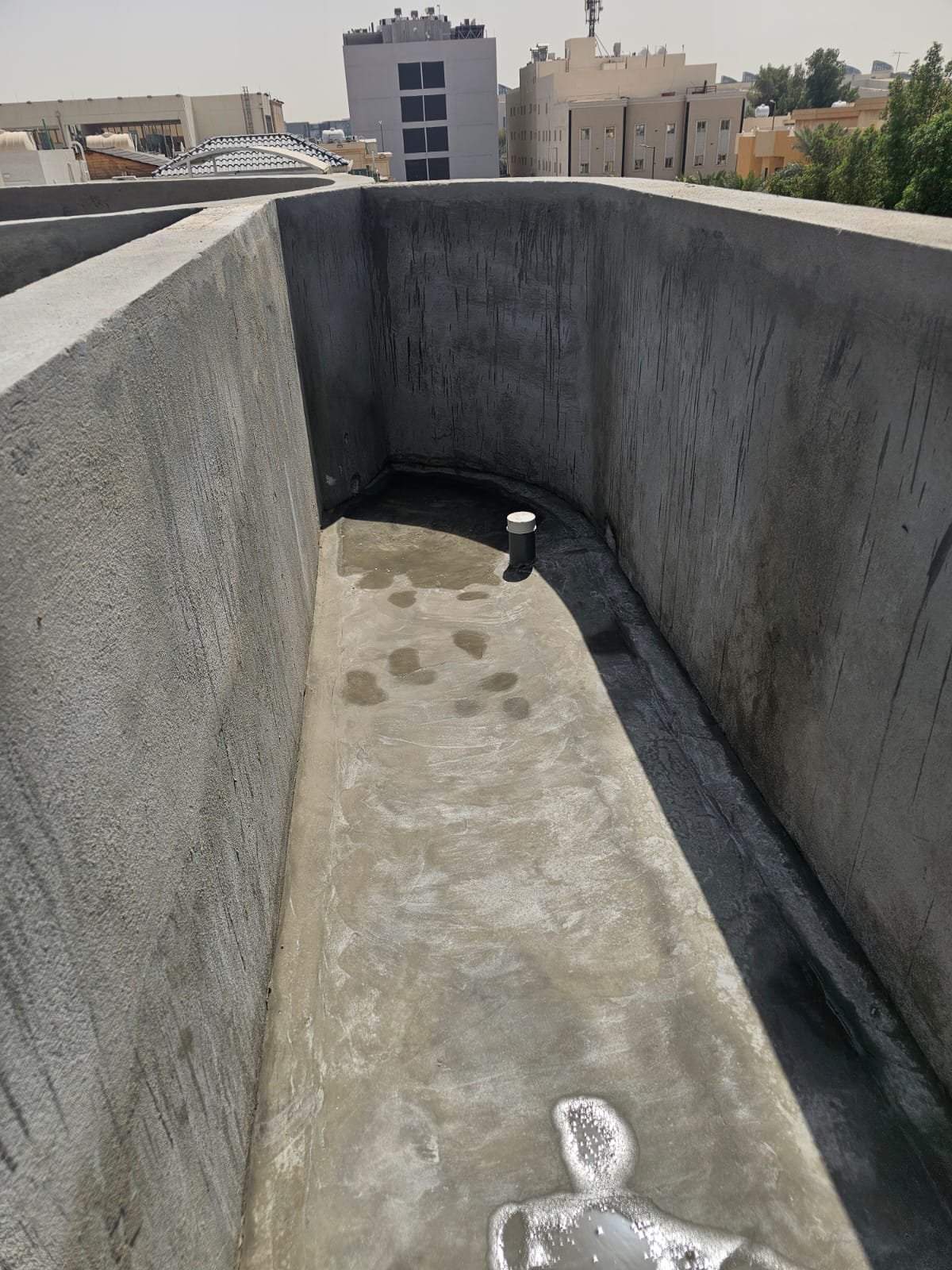
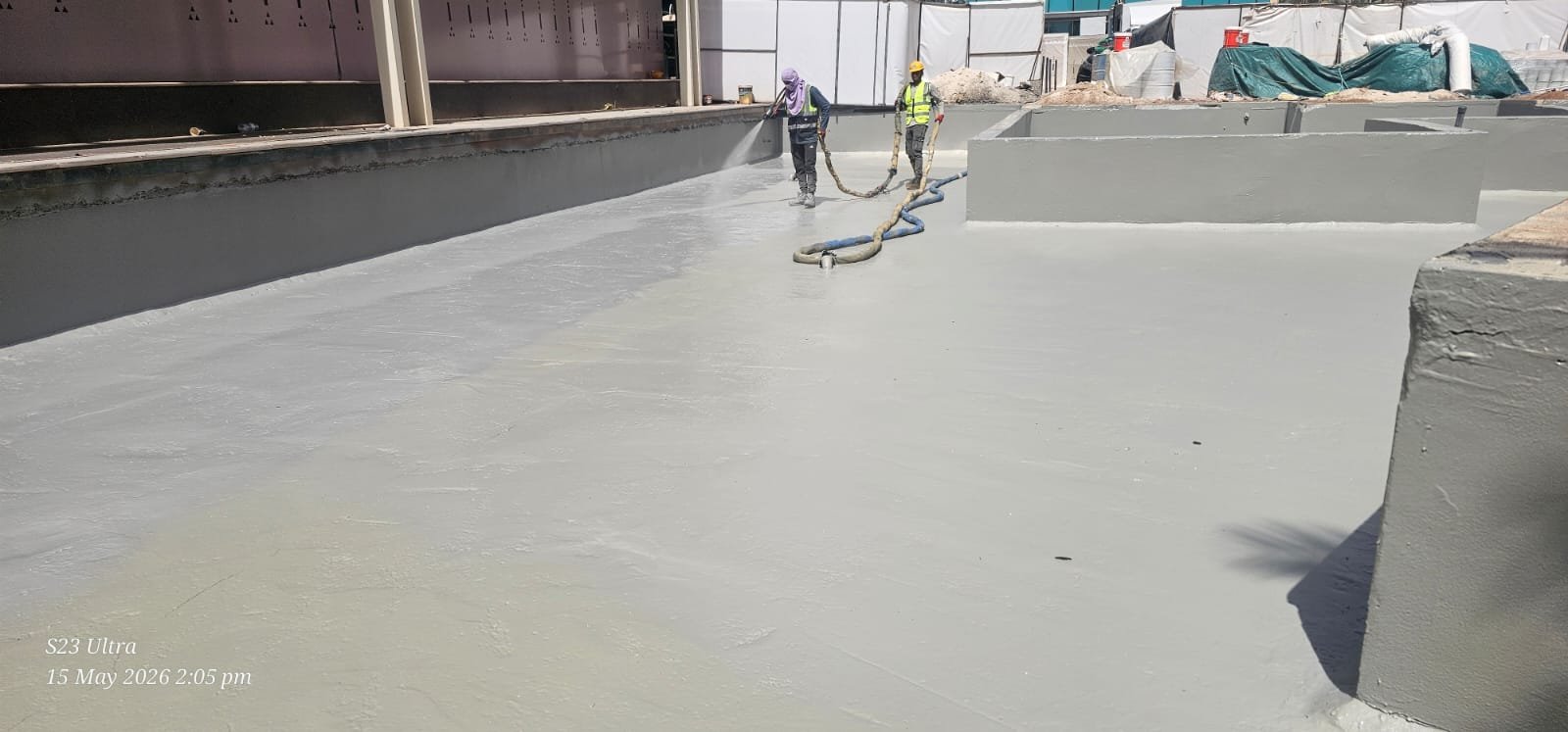
Applied by roller or spray ideal for complex surfaces, angles and intricate details. Includes liquid polyurethane and reinforced acrylic.
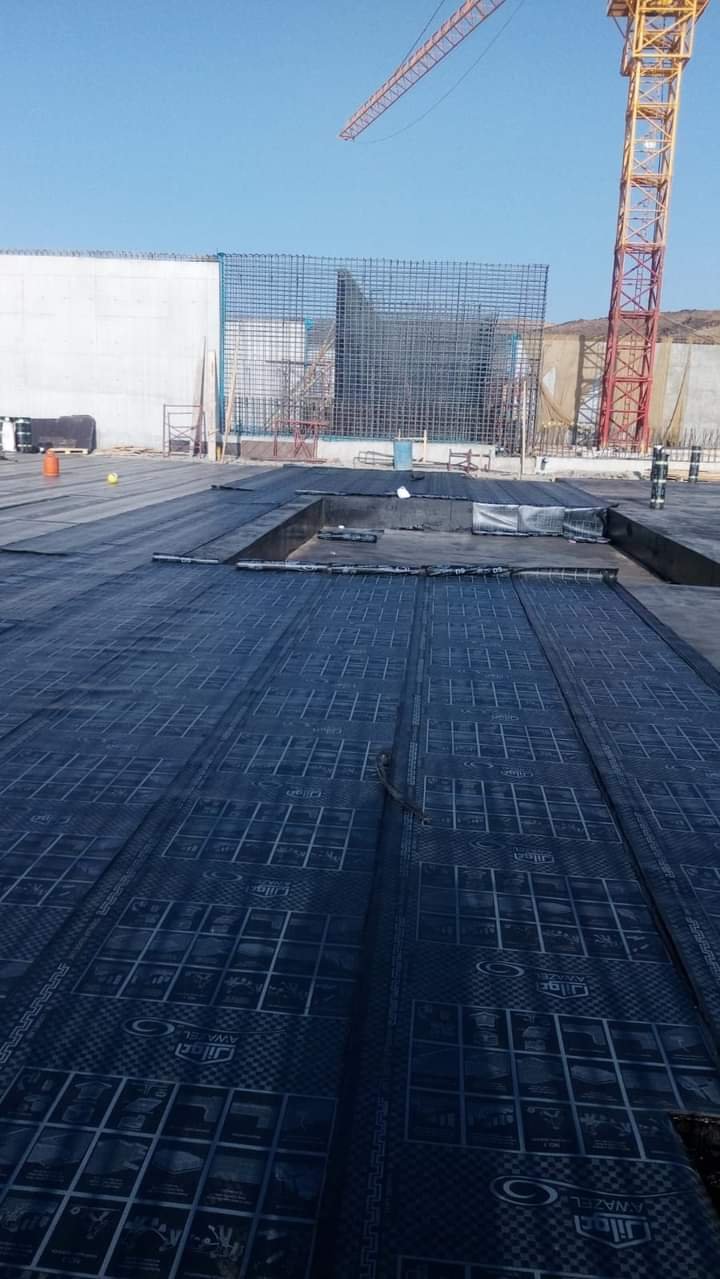
Most FlexibleSelf-Adhesive Bituminous Sheets
Ready strips with adhesive backing applied without heat fast installation, ideal for flat surfaces and foundations.
Fast InstallationTorch-Applied Bitumen Sheets
Applied with heat torch stronger bond for large concrete roofs. More durable than self-adhesive type.
Strongest BondHDPE & TPO Membranes
High-performance plastic membranes for buried areas and green roofs. Exceptional resistance to roots and groundwater.
For Buried AreasSpecialised Waterproof Coatings
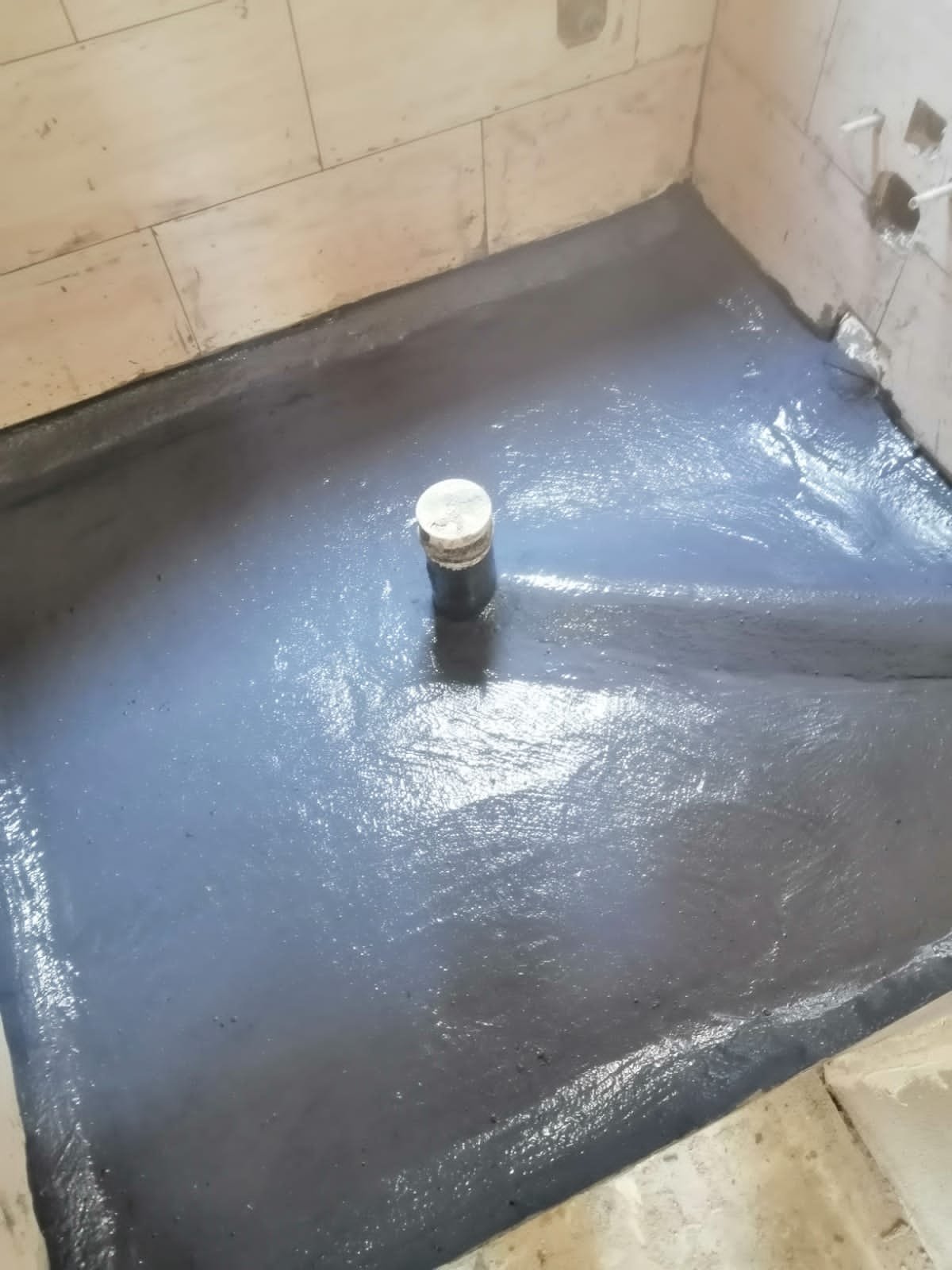
For bathroom floors, kitchens and annexes water-based safe materials applied by brush, fast-drying without odour.
Interior UseBentonite Geotextile
Natural clay panels for buried foundations and walls expands when wet to automatically seal any gap.
100% Natural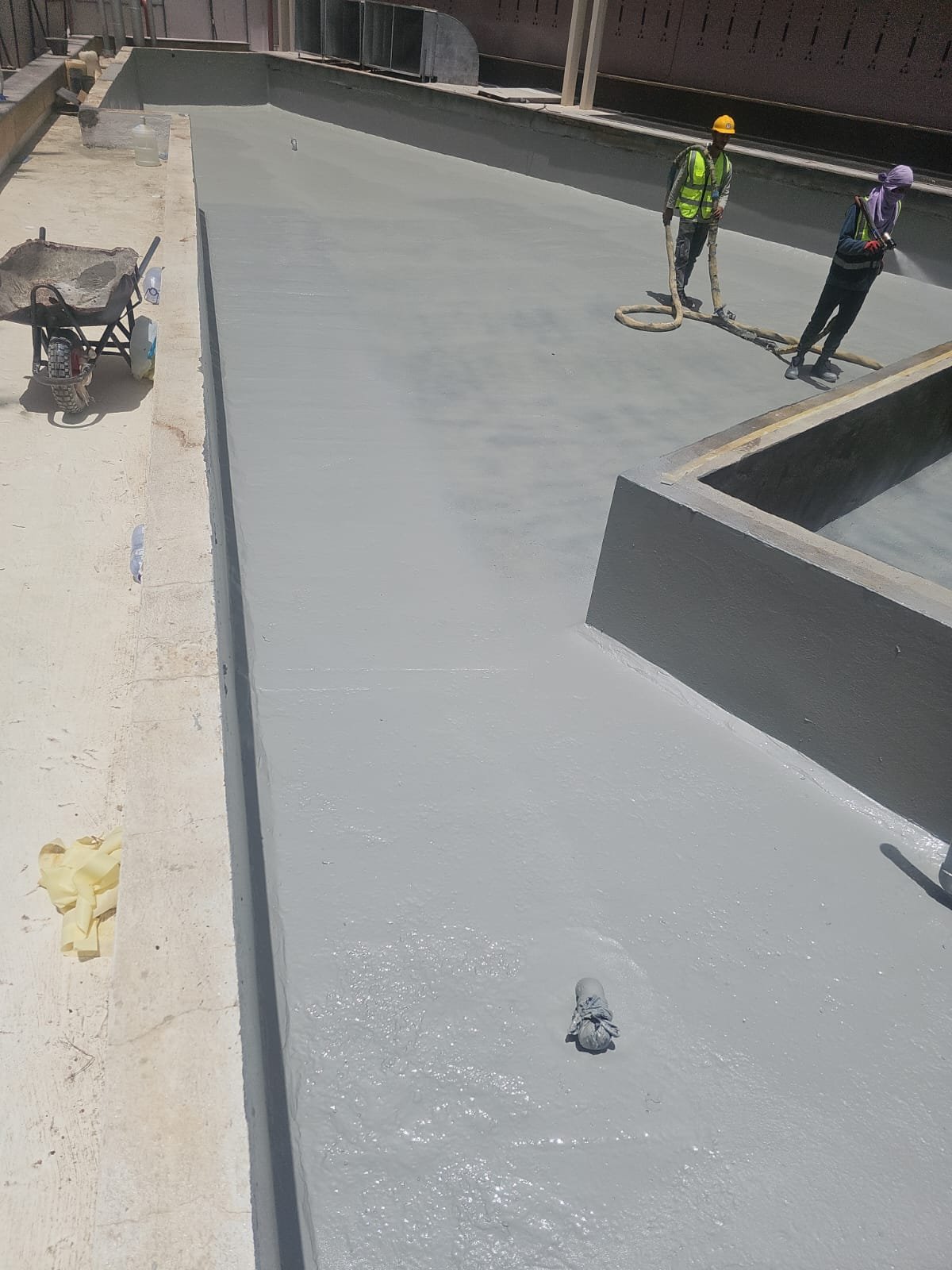
04 Thermal Insulation
Reduce heat gain and lower electricity bills by up to 40% with optimal thermal comfort
Available Systems
PU Foam
Best thermal insulation coefficient combines thermal and waterproof in one layer. Best for large roofs and hangars.
Strongest ThermallyEPS/XPS Boards
Ready boards fixed on the roof surface economical and easy to install. Requires mechanical protective cover.
EconomicalReflective Thermal Paint
Reflects sunlight instead of absorbing it. Lowers surface temperature by 1520C. Cost-effective for smaller roofs.
Fast ApplicationEconomic Benefits
05 Tank Insulation
Cleaning, treatment and insulation of water tanks with health-approved materials for complete protection
Cementitious Coating
Safest for drinking water tanks bonds with concrete and releases no harmful substances.
Safest OptionNSF-Approved Polyurea
Special grade approved for contact with drinking water durable and fast-curing.
Fast & StrongTank-Grade Epoxy
Elegant, hard-wearing finish suitable for large tanks requiring high surface rigidity.
High Rigidity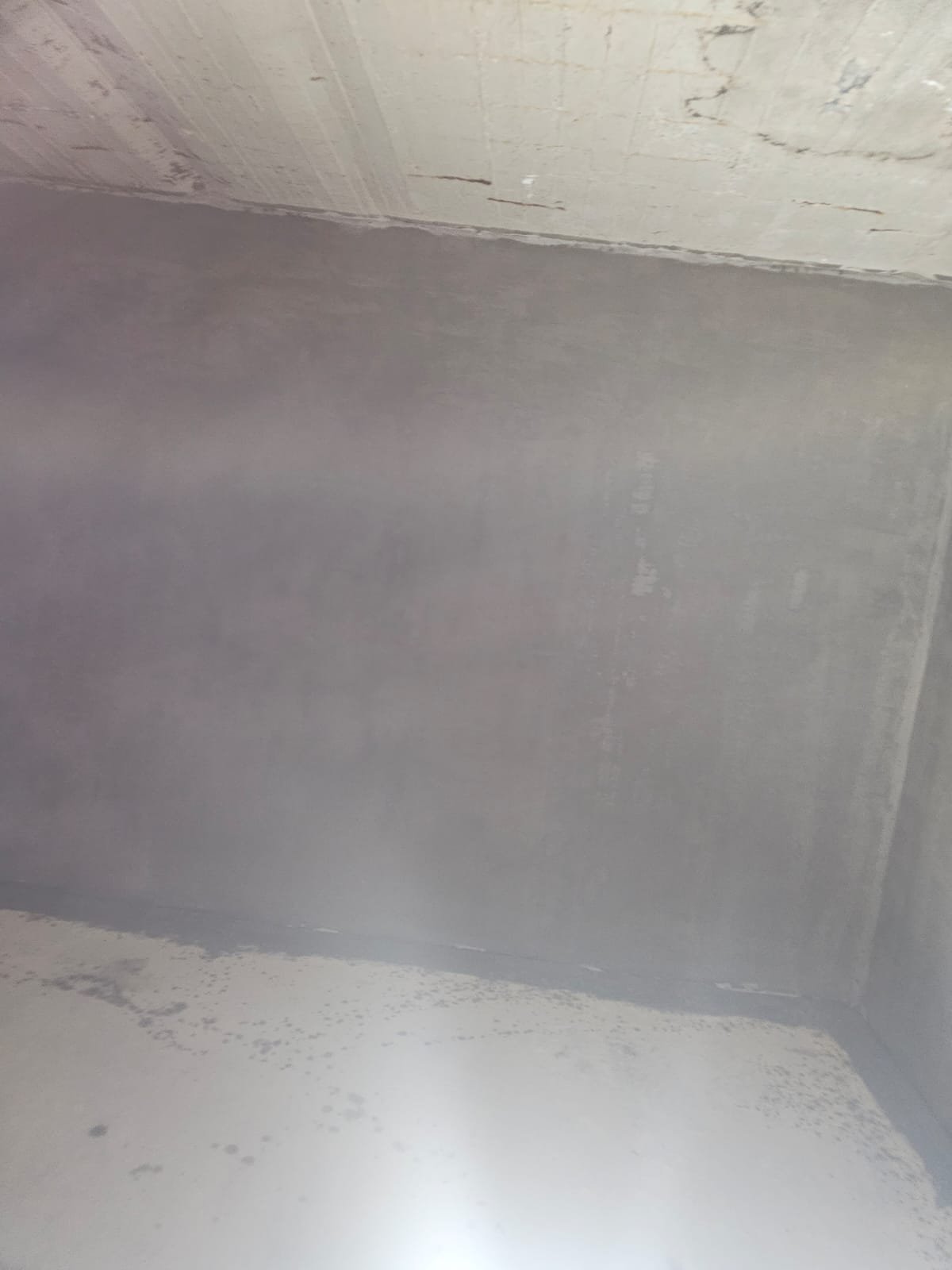
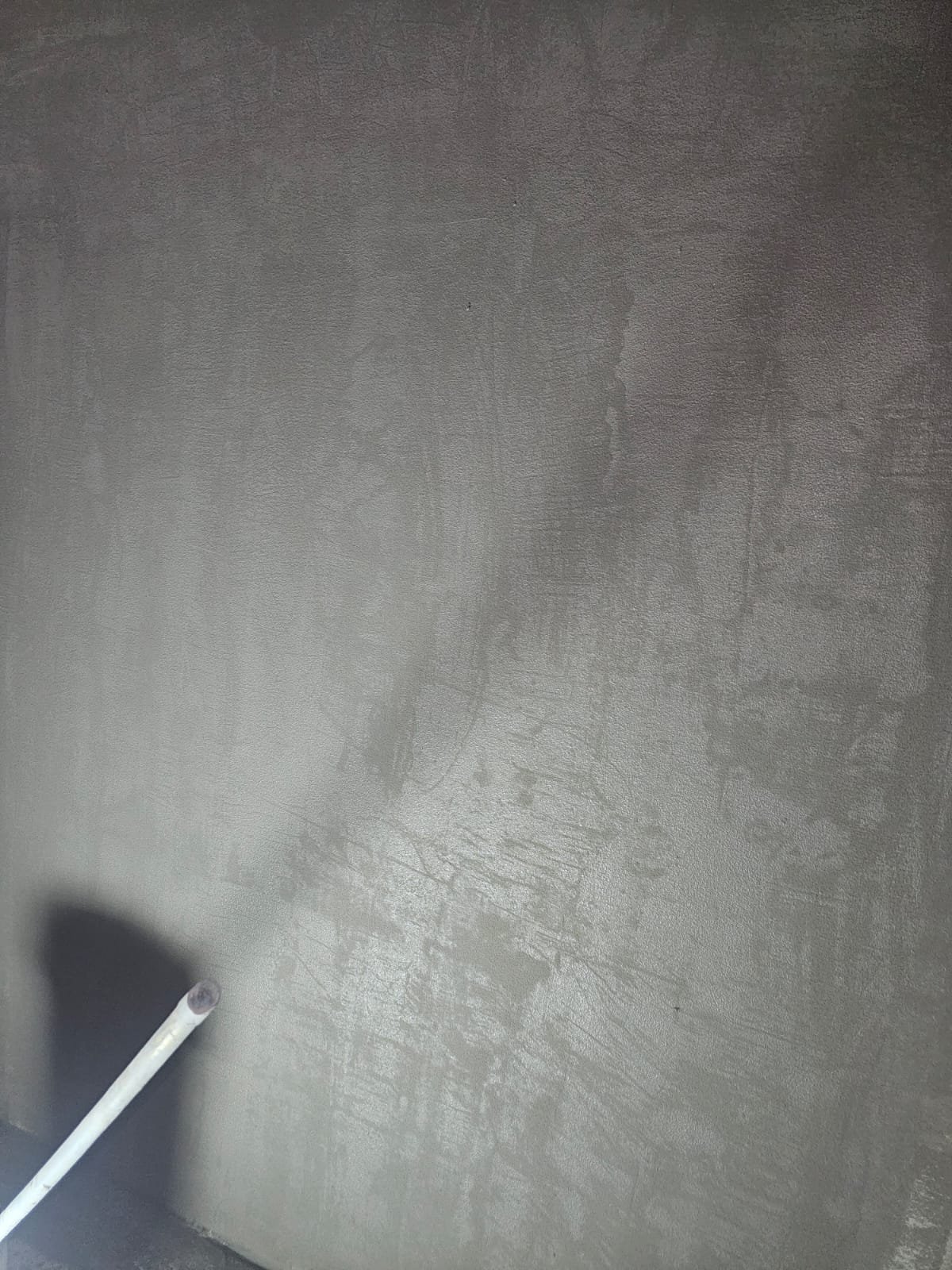
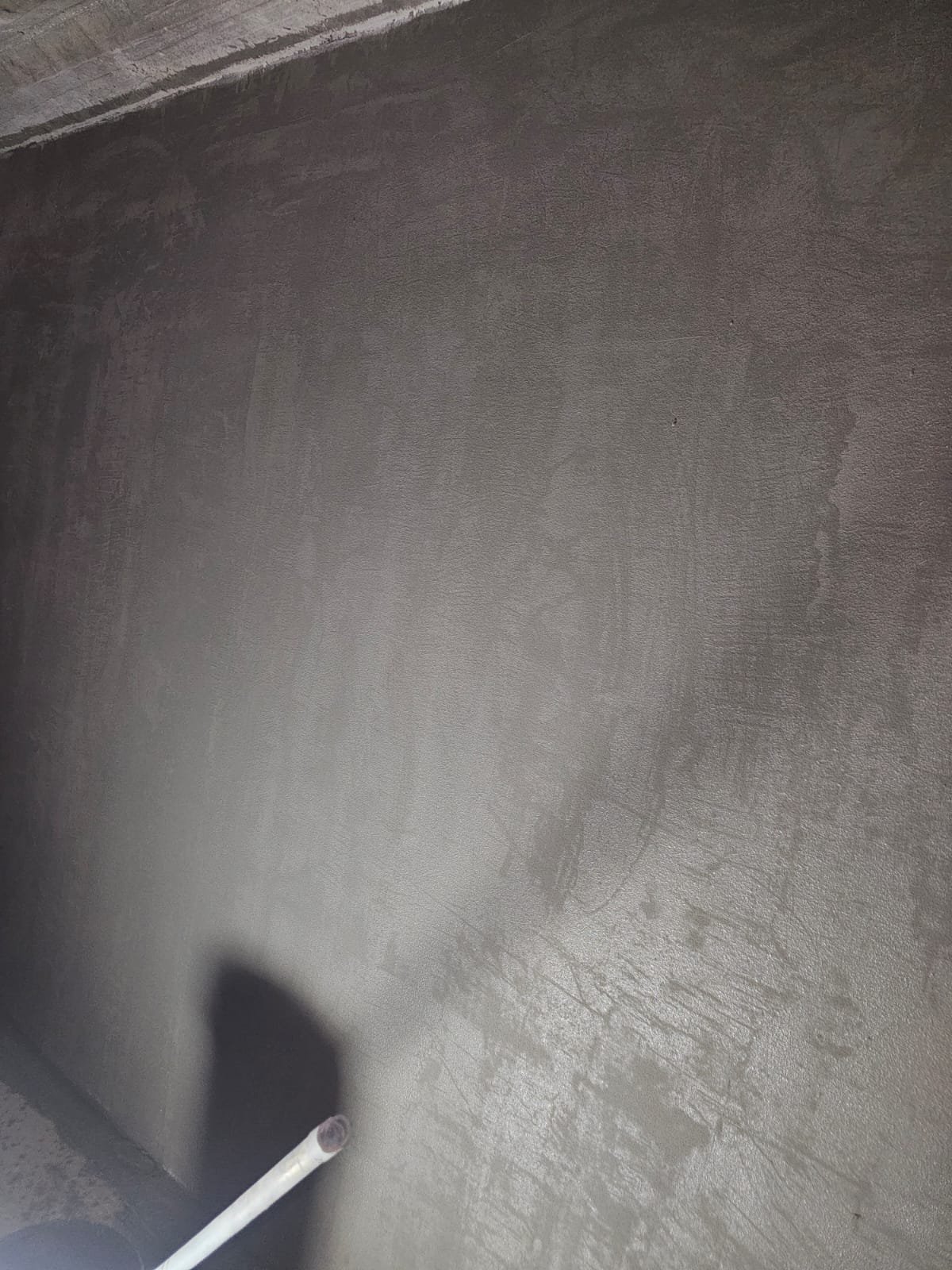
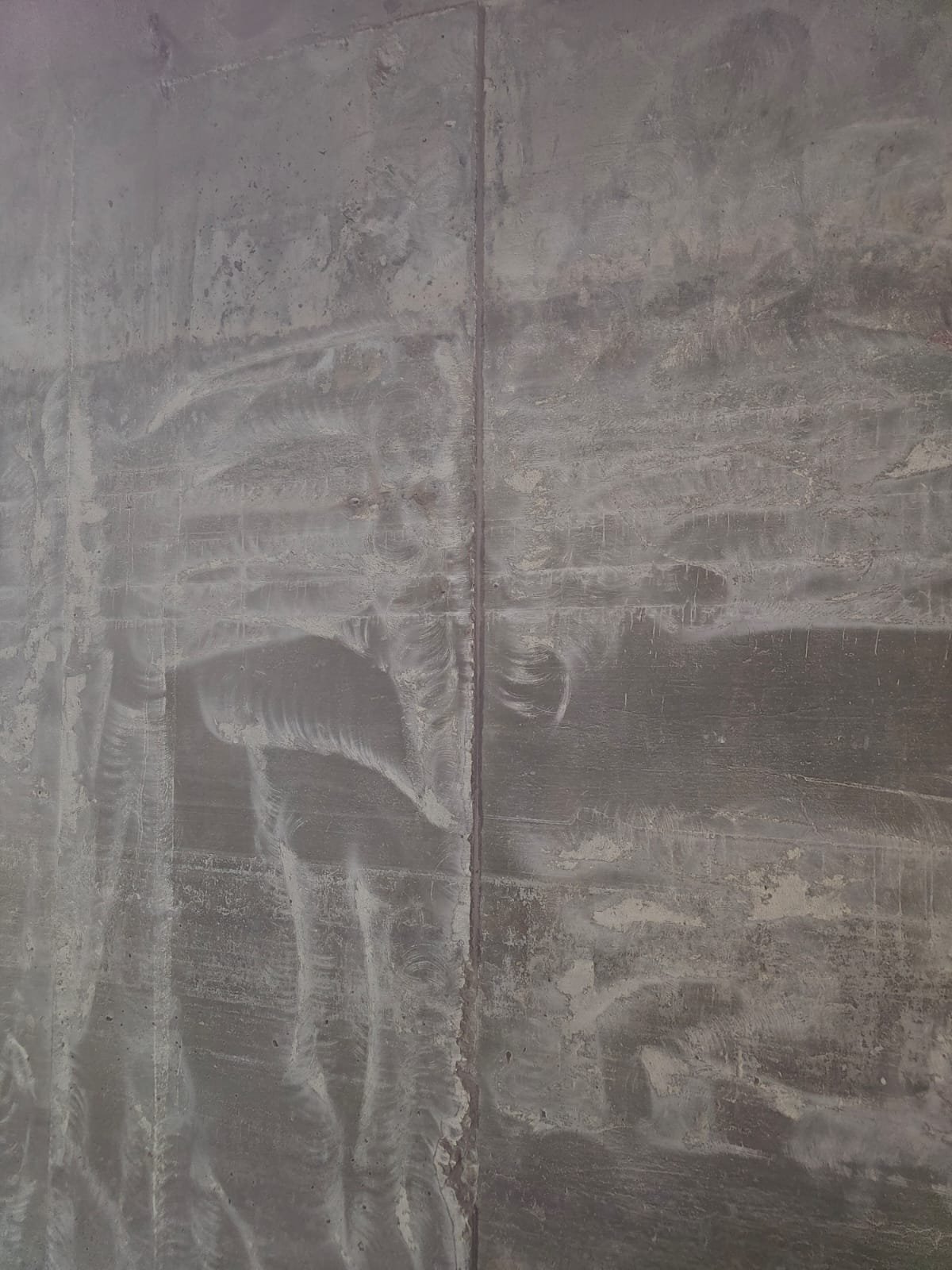
Field footage showing internal surface preparation before protective layers.
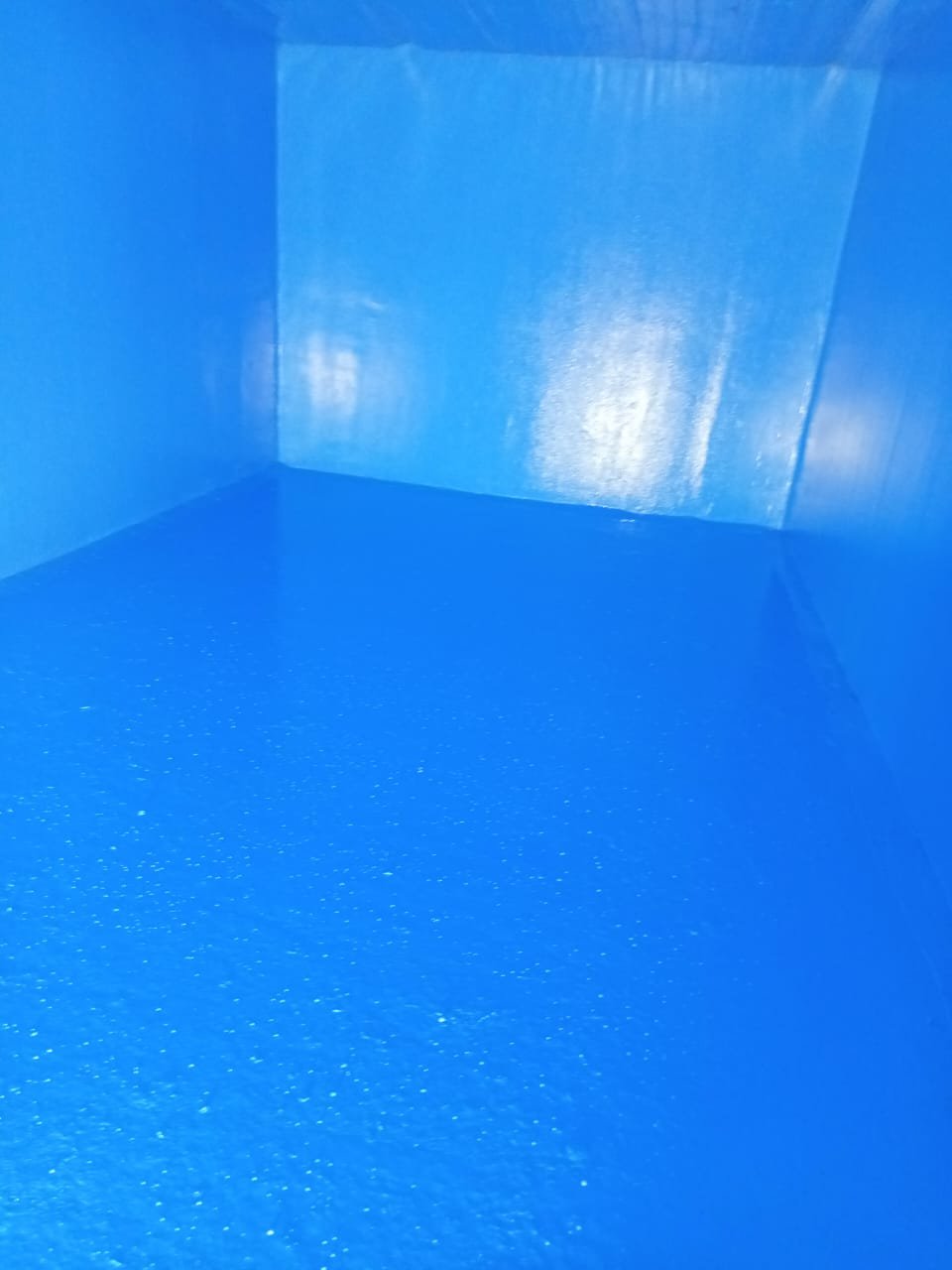
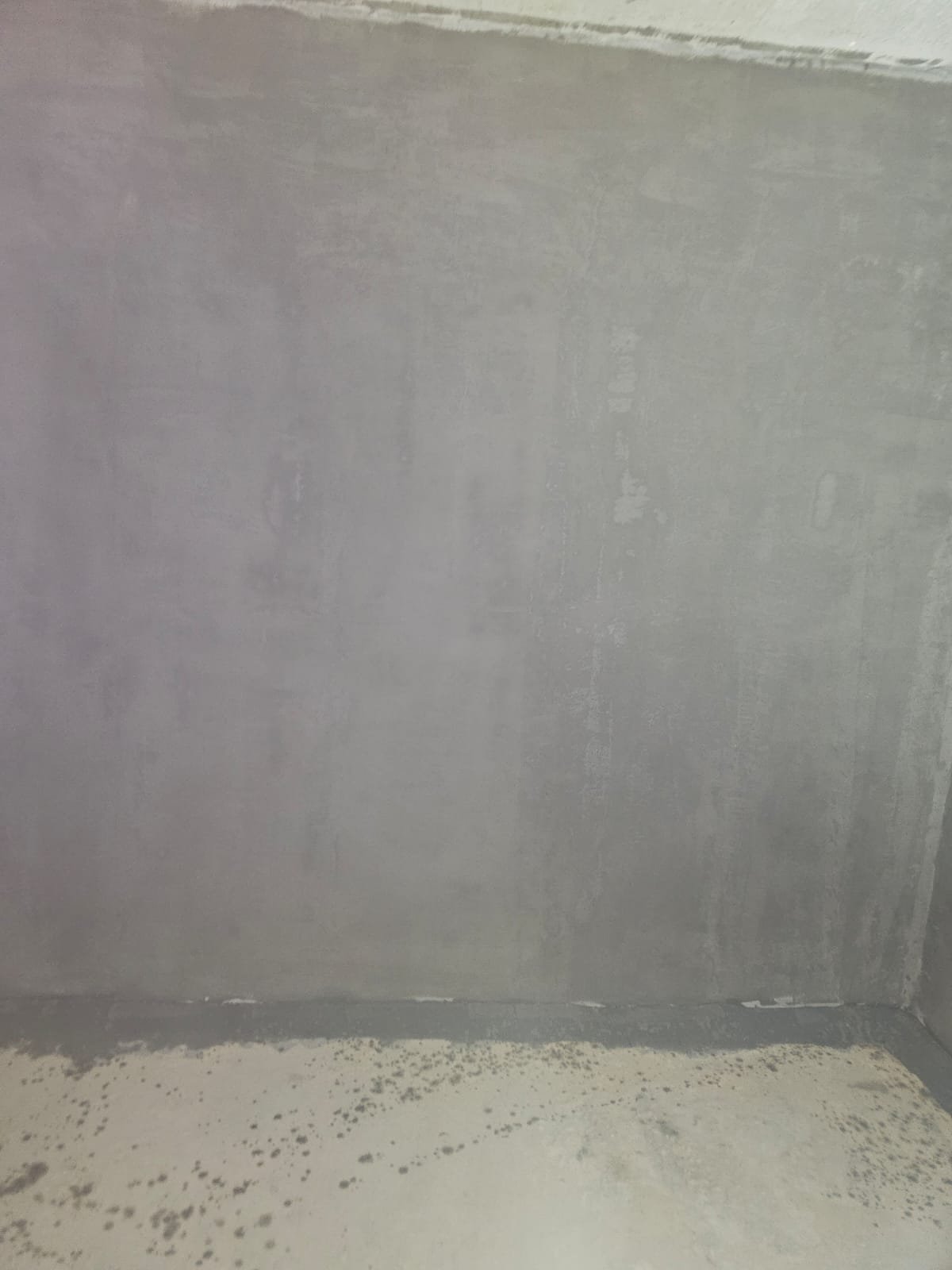
Detailed execution of waterproof coating inside a real water tank.
Clean completed result ready for reliable long-term service.
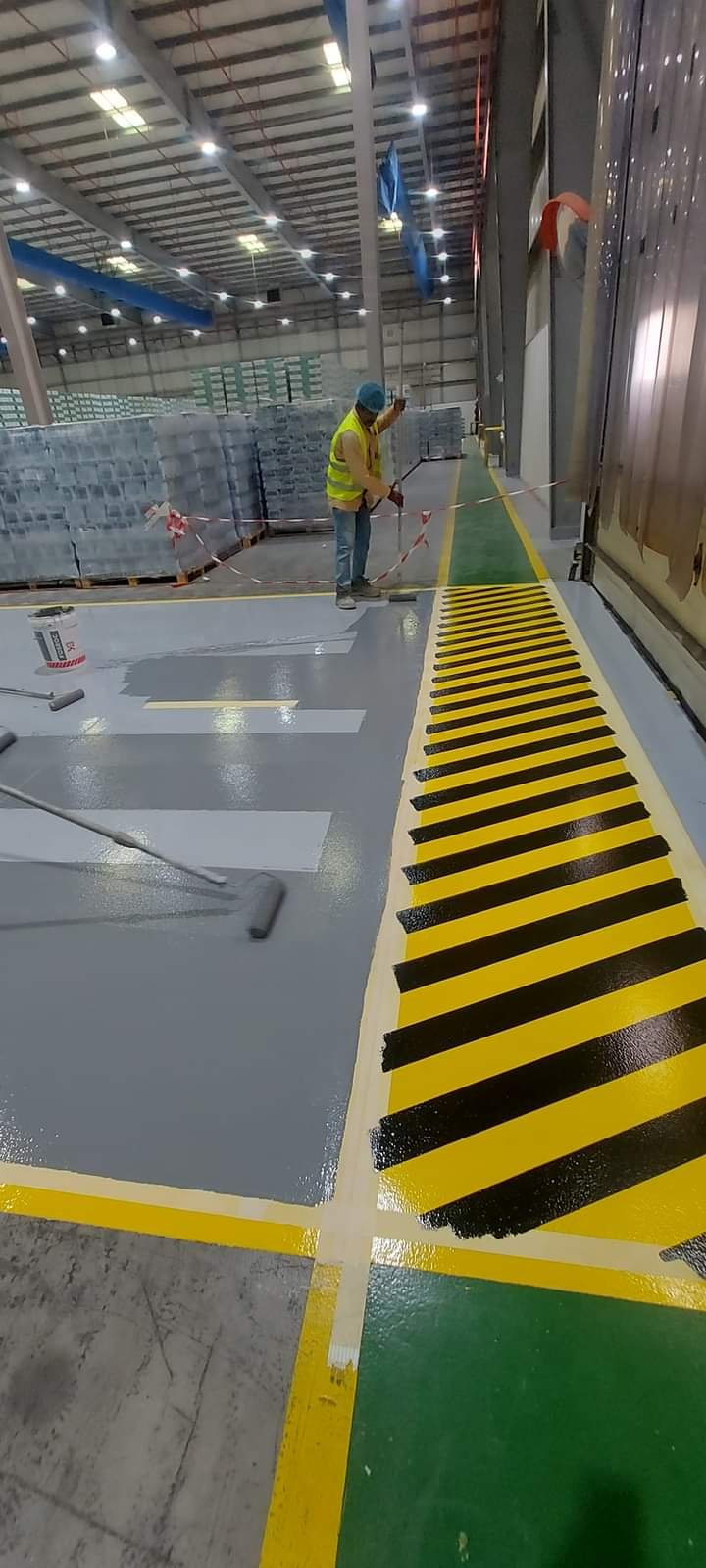
06 Epoxy Flooring
Professional industrial and commercial floor finishes with exceptional durability for daily use
Self-Levelling Liquid Epoxy
Poured on surface and self-levels perfectly smooth, ideal for labs, cold rooms and sensitive areas.
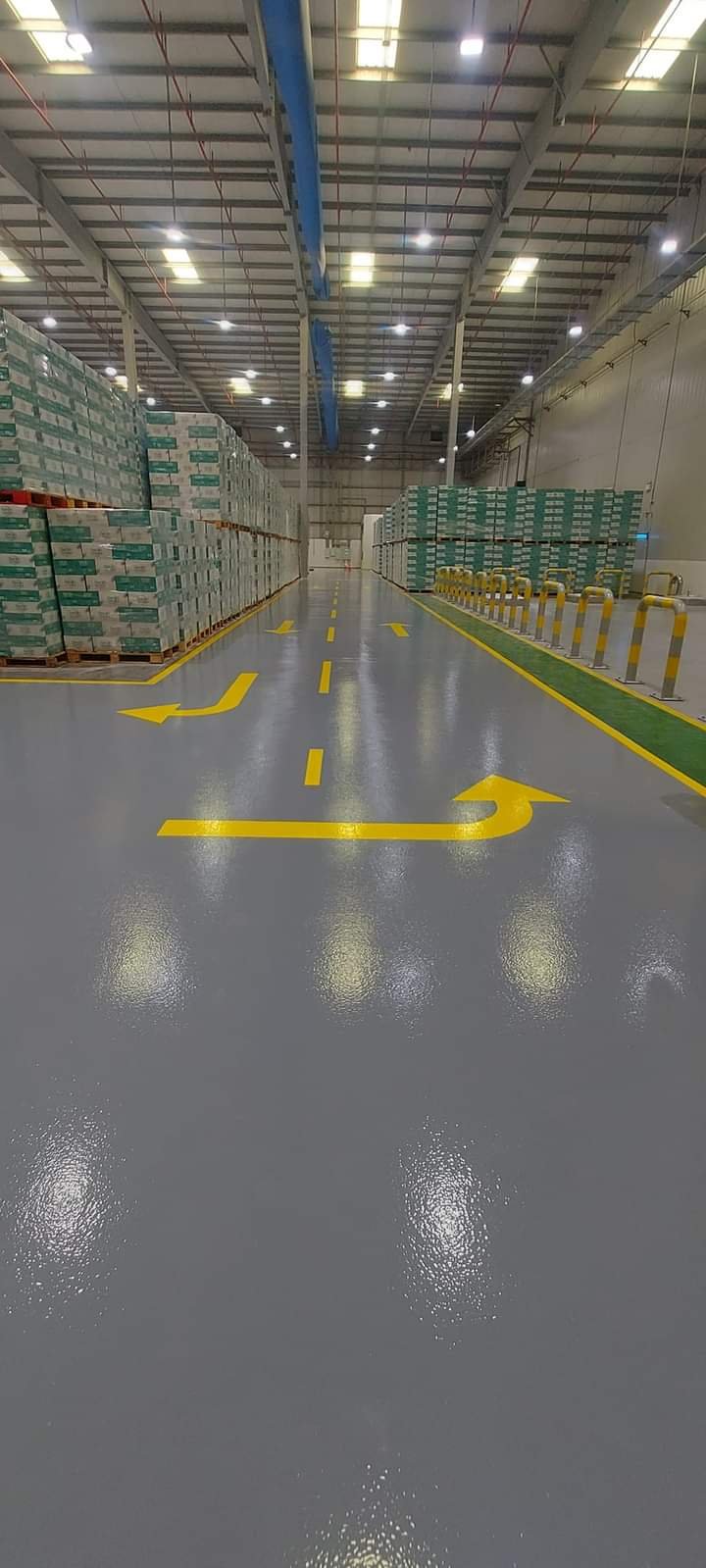
Highest QualityRoller-Applied Epoxy
Applied by roller in multiple colours with lane marking options most common in warehouses and logistics.
Most CommonQuartz Anti-Slip Epoxy
Quartz aggregate added for slip resistance suitable for surfaces exposed to moisture or oil spillage.
Anti-Slip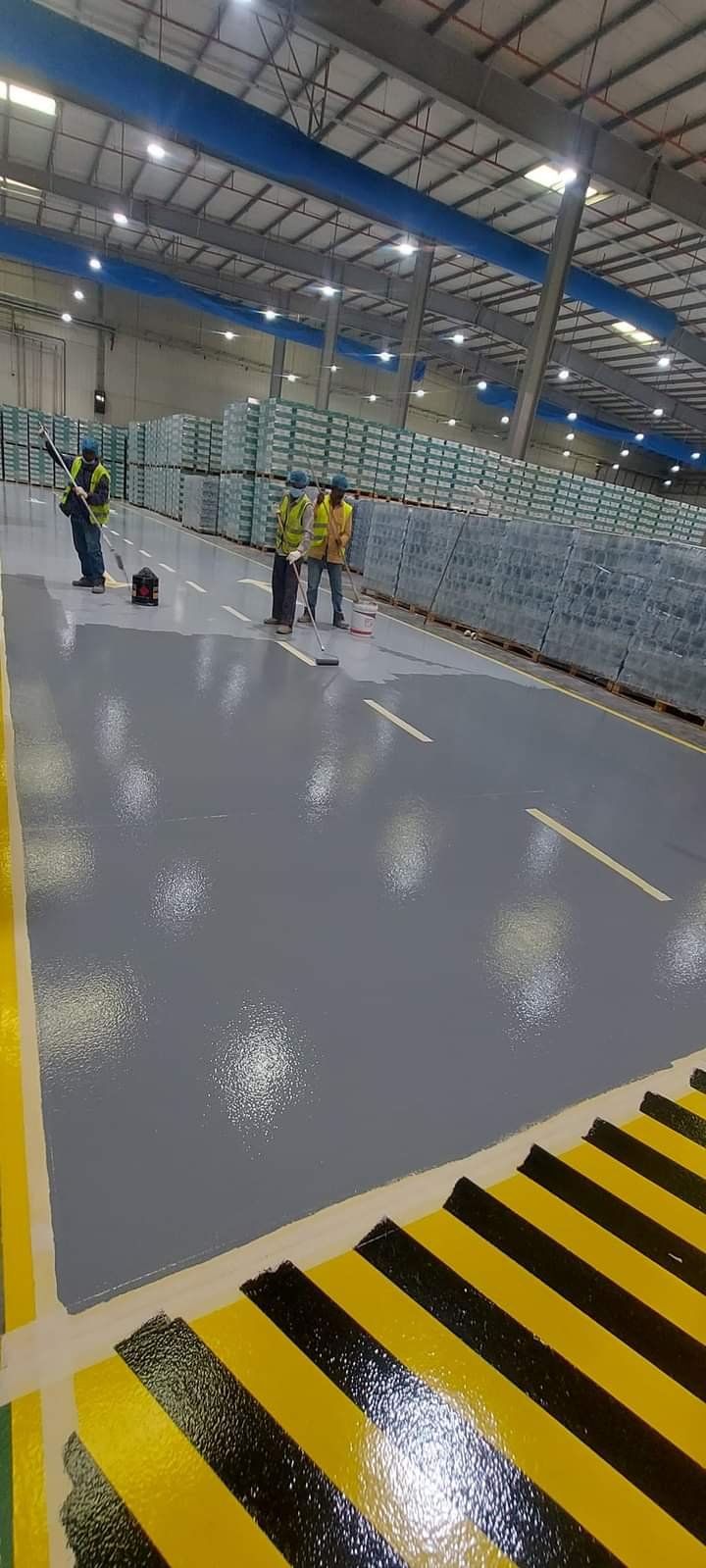
07 Cementitious Insulation
Special cementitious materials that bond with the concrete structure for deep long-lasting protection
Rigid Cementitious
Compression-resistant for exterior surfaces, floors and areas with mechanical pressure.
For ExteriorFlexible Cementitious
Handles structural movement and thermal expansion for tanks, pools and crack-prone surfaces.
For TanksCrystalline Cementitious
Crystallises inside the concrete itself, sealing its pores from within strongest against high hydrostatic pressure.
Strongest optimized.jpg)
08 Bitumen Rolls
High-quality bituminous membranes for roofs, foundations and buried structures
SBS Torch-Applied Sheets
Applied with heat torch very strong bond and excellent heat resistance. For large concrete roofs.
StrongestAPP Self-Adhesive Sheets
Ready adhesive backing without heat suitable where torch cannot be used. Faster installation.
No Heat NeededLiquid Bitumen
Applied by brush or roller for small surfaces and detail areas that rolls cannot reach.
For Details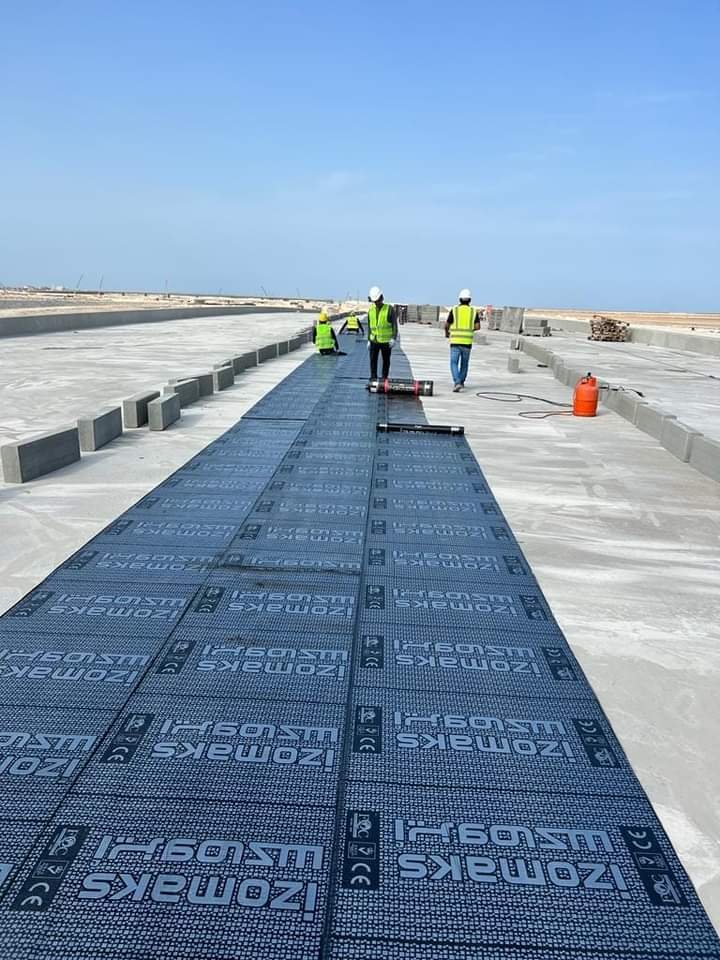
.jpeg)