Definition and basic principle
Cementitious waterproofing is a system based on special cement blends applied directly on concrete surfaces. It bonds well with concrete and is widely trusted in potable water tanks and damp concrete environments.
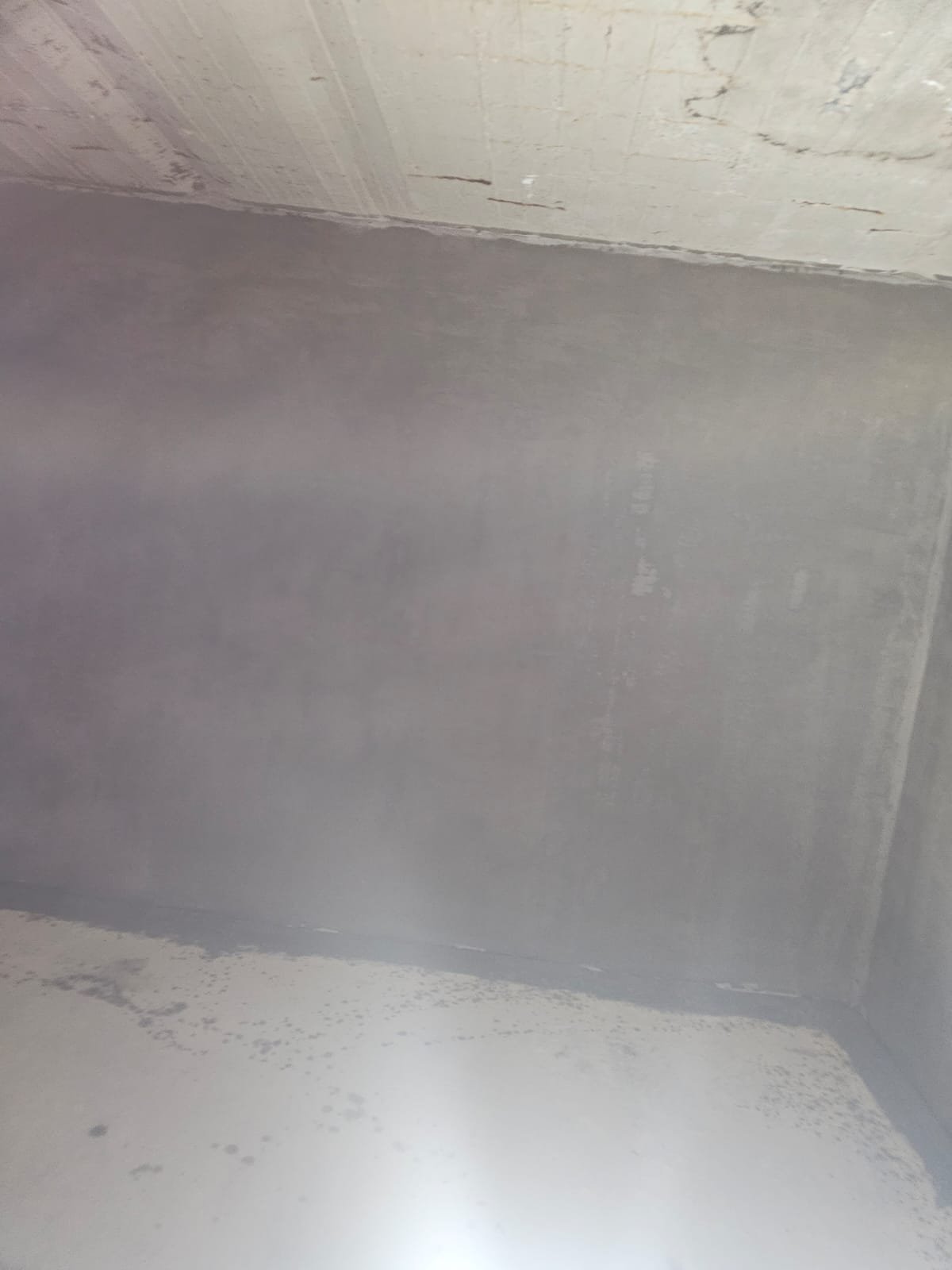
Why is it preferred for tanks?
- Good compatibility with concrete structures.
- Suitable approved options for potable water applications.
- Reliable performance in damp internal environments.
- Strong value where the tank substrate is concrete and the service condition is stable.
Correct application sequence
- Cleaning and removal of weak concrete layers or contamination.
- Repairing cracks, honeycombs and junction details.
- Surface conditioning according to product requirement.
- Applying the specified coats with the correct curing logic.
- Final inspection and full tank handover documentation.
Available cementitious types
Cementitious systems vary from rigid formulations to more flexible modified versions. The selection depends on expected movement, concrete condition and whether the project is a tank, service room or another damp substrate.
How often does a tank need re-insulation?
That depends on the previous system, operating condition, cleaning practices and any structural movement or water quality issues. Periodic inspection is the safest way to determine renewal timing.
Frequently asked questions
- Can it be used in drinking water tanks? Yes, with approved products and correct execution standards.
- Does it work on metal tanks? Cementitious systems are generally intended for concrete substrates.
- Can it be applied over failed old layers? Only after proper removal and evaluation of the existing condition.
Summary
Cementitious insulation remains one of the safest and most practical solutions for many concrete water tanks. The key is not only the product, but proper diagnosis, preparation and disciplined execution.