What is waterproofing?
Waterproofing is a continuous protective layer on roofs, walls and foundations that stops water and moisture from entering the concrete. In Saudi Arabia's heat and seasonal rain, leaks do not just stain finishes, they reach the reinforcement and weaken the structure.
Signs you need it
- Damp patches on ceilings or walls after rain.
- Cracks in the roof slab that let water through.
- Peeling paint or salt deposits on walls.
- Wet areas, bathrooms, tanks, annexes, without a membrane.
Main systems
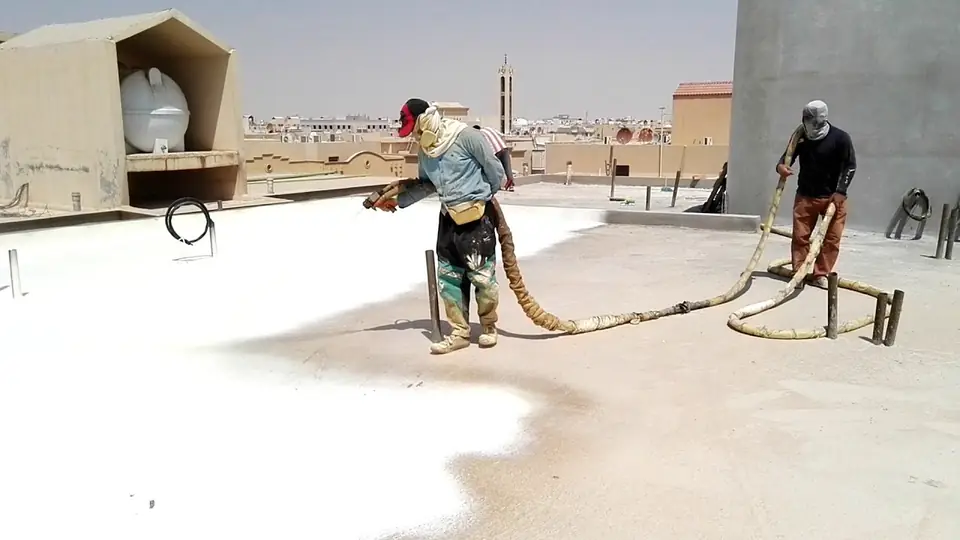
- Liquid-applied membranes, seamless and flexible, best for complex details.
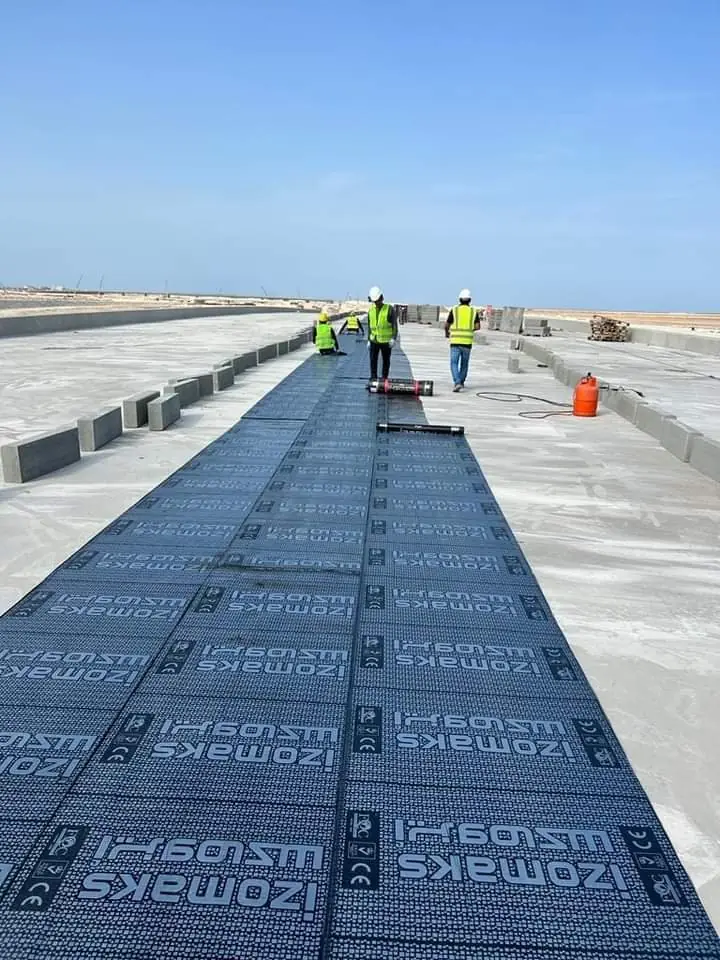
- Bitumen membranes, factory thickness, strong on flat roofs and foundations.
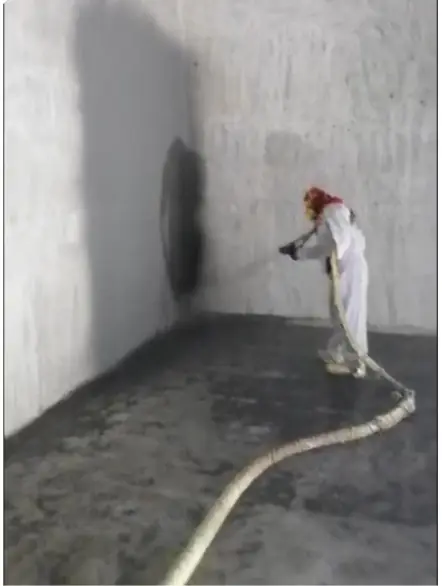
- Cementitious coatings, potable-safe, for tanks and constantly wet areas.
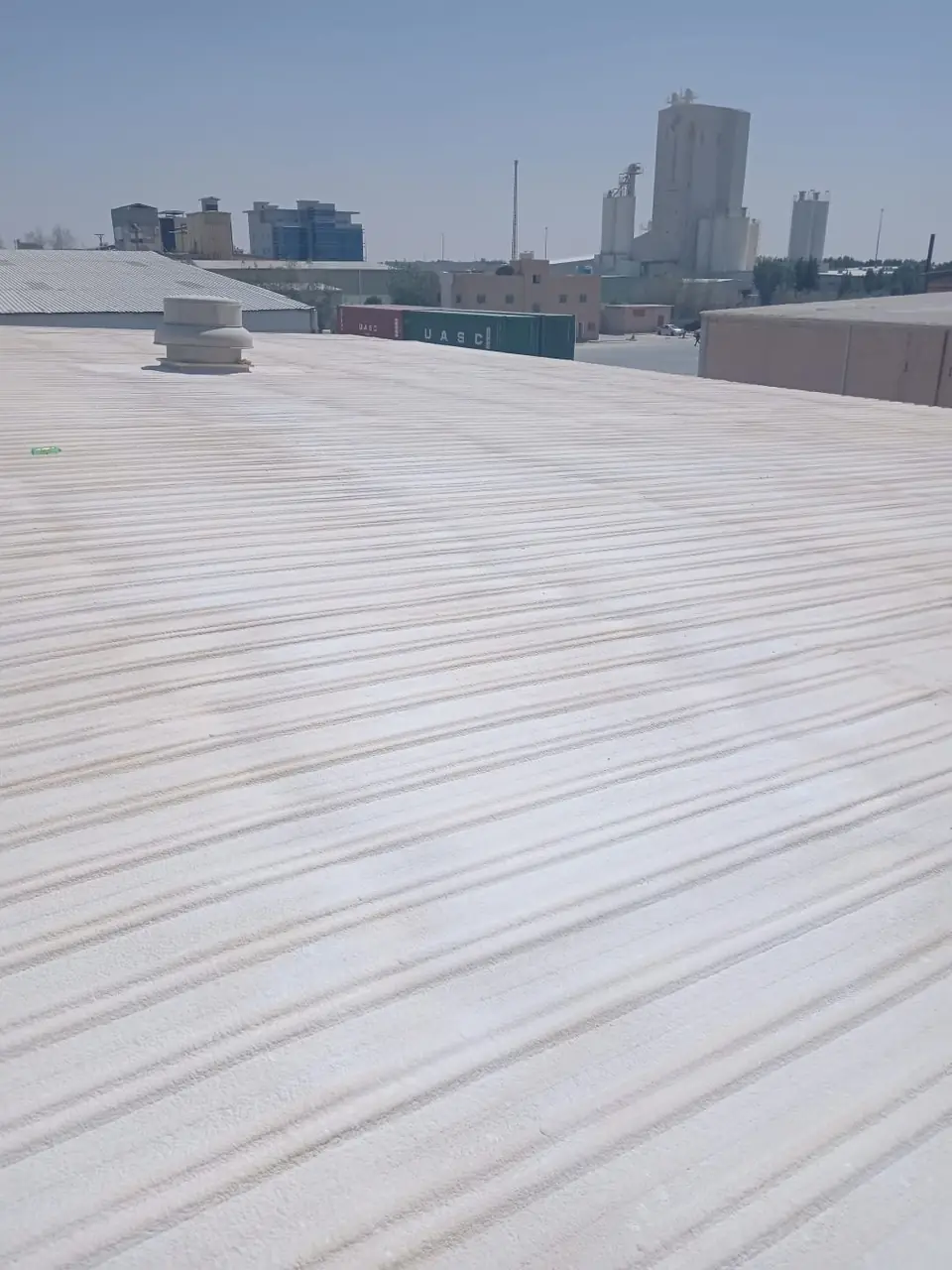
- Spray foam, waterproofing plus thermal insulation for large roofs.
- Polyurea, for demanding, high-movement applications.
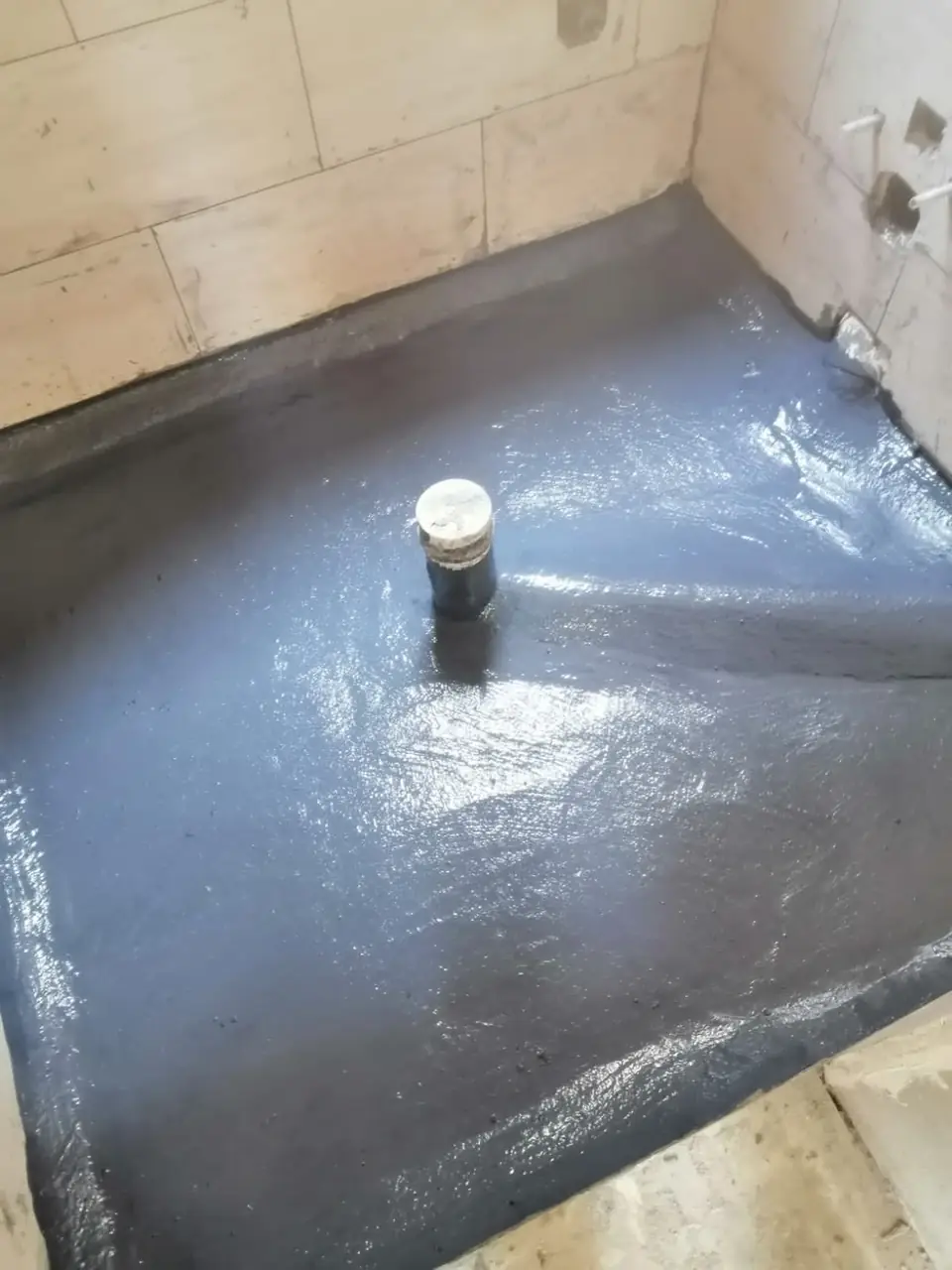
What makes it last
- A clean, sound substrate.
- Cracks repaired before coating.
- Correct thickness and number of coats.
- Continuous coverage at corners, drains and joints.
- Proper curing time between coats.
FAQ
How long does waterproofing last?
Typically 5–20 years depending on the system and workmanship.
Can it be applied over an old roof?
Yes, after removing failed layers and repairing cracks.